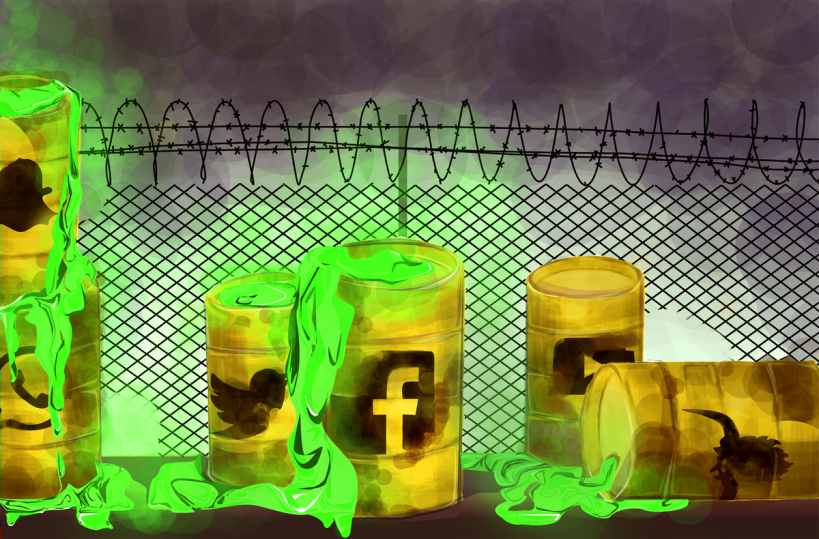
The toxicity of social media.

Social media promised connection — but at what cost? "The Toxicity of Social Media" explores how platforms like Facebook and Instagram have reshaped our self-esteem, relationships, and mental health. Blending research with reflection, it reveals how online validation, comparison, and constant exposure can distort reality, deepen insecurity, and quietly erode well-being.
Fear of the unknown.

We all crave control — but life rarely plays by our rules. "Fear of the Unknown" explores how anxiety about the uncontrollable can quietly dictate our choices, limit growth, and fuel self-doubt. Blending science, reflection, and personal experience, it offers strategies to unlearn fear and embrace uncertainty as a path toward purpose.

Social isolation and mental health.

Isolation protects the body — but can quietly wound the mind. "Social Isolation and Mental Health" explores how loneliness, disconnection, and “perceived isolation” affect our well-being, especially during the COVID-19 pandemic. Combining science and lived experience, it reflects on empathy, resilience, and how genuine connection can exist even from afar.

Do not let our insecurities define us.

Insecurity is universal — a quiet thread connecting us all. "Do Not Let Our Insecurities Define Us" gathers honest reflections from people of different ages and professions, revealing the shared weight of self-doubt. Through collective vulnerability, it reminds us that acknowledging our insecurities is not weakness, but the first step toward self-acceptance.

The science behind SAD.

Why does winter seem to drain our mood and motivation? "The Science Behind SAD" explores the biological and psychological roots of Seasonal Affective Disorder — from melatonin and serotonin imbalance to the surprising effects of light therapy. Blending humour, science, and self-awareness, it sheds light on why darker days can dim our spirits.

Is Grief a Mental Illness?

Grief is universal — but should it ever be considered a mental illness? "Is Grief a Mental Illness?" explores the debate surrounding Pathological Grief Disorder, questioning where natural mourning ends and clinical diagnosis begins. Blending science, empathy, and reflection, it challenges the medicalization of emotion while advocating compassion, counselling, and open conversation.

Social anxiety and loneliness.

Social anxiety and loneliness are deeply intertwined — one fuels the other in a quiet, painful cycle. "Social Anxiety and Loneliness" explores how fear of judgment can isolate us, and how isolation, in turn, harms our minds and bodies. Blending science with empathy, it highlights why connection is vital for survival.

The Tale of the Academic Black Dog.

Behind every lecture and research paper lies a silent struggle. "The Tale of the Academic Black Dog" exposes the hidden mental health crisis among university academics — the overworked, underpaid, and often overlooked pillars of higher education. Through data, empathy, and reflection, it calls for change in a culture built on silence.

There is a heavy cost to getting a PhD that nobody talks about.

Behind the prestige of a doctorate lies a silent struggle. "There Is a Heavy Cost to Getting a PhD That Nobody Talks About" exposes the psychological toll of academic life — the isolation, perfectionism, and stigma that too often accompany it. Blending data and personal experience, it urges academia to confront its hidden mental health crisis.

Keith Flint.

Keith Flint wasn’t just the face of The Prodigy — he was the spark that lit my own rebellion. His energy taught me that being different isn’t a flaw, it’s a weapon. From childhood chaos to adult reflection, his music shaped who I am. Rest easy, Firestarter.