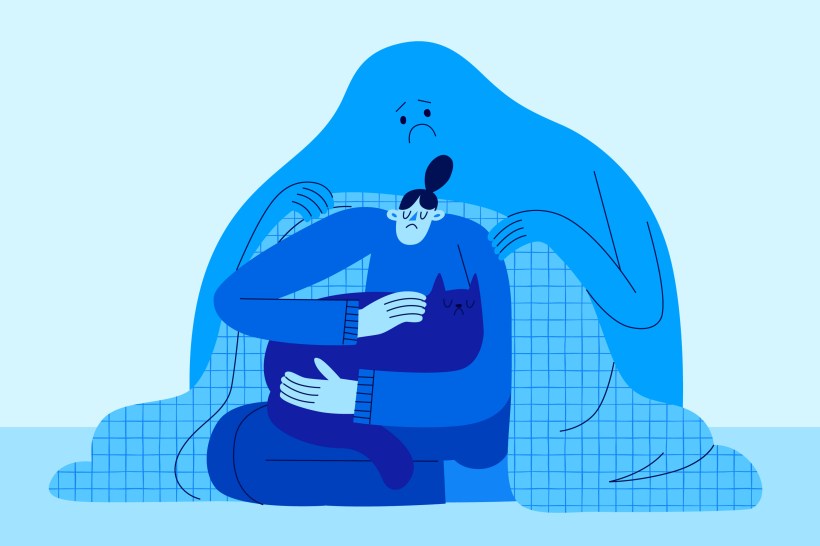
When work works against you: How our jobs shape our minds.

Work and mental health are inseparable. As a scientist living with depression, I’ve learned that discipline—not motivation—keeps me steady. Structure transforms chaos into calm, reminding me that routine isn’t restrictive but restorative. Our jobs shape our minds; the key is learning to work with, not against, ourselves.

Avoidance of self-discovery.

For over a year, I avoided sitting alone with my thoughts — drowning reflection in noise, work, and music. "Avoidance of Self Discovery" explores why silence can feel unbearable, how constant stimulation masks deeper truths, and what happens when we finally dare to listen to the chaos within.

Mental Health in the Work Environment.

Work can inspire or exhaust us — sometimes both in a single day. Mental Health in the Work Environment explores how workplace stress erodes focus, fuels anxiety, and silences vulnerability. It argues for open dialogue, supportive employers, and personal strategies that protect well-being — because no career should cost your peace of mind.

Do not let our insecurities define us.

Insecurity is universal — a quiet thread connecting us all. "Do Not Let Our Insecurities Define Us" gathers honest reflections from people of different ages and professions, revealing the shared weight of self-doubt. Through collective vulnerability, it reminds us that acknowledging our insecurities is not weakness, but the first step toward self-acceptance.

Social anxiety and loneliness.

Social anxiety and loneliness are deeply intertwined — one fuels the other in a quiet, painful cycle. "Social Anxiety and Loneliness" explores how fear of judgment can isolate us, and how isolation, in turn, harms our minds and bodies. Blending science with empathy, it highlights why connection is vital for survival.

The Tale of the Academic Black Dog.

Behind every lecture and research paper lies a silent struggle. "The Tale of the Academic Black Dog" exposes the hidden mental health crisis among university academics — the overworked, underpaid, and often overlooked pillars of higher education. Through data, empathy, and reflection, it calls for change in a culture built on silence.

Anxiety: How it links to our future.

Anxiety often hides behind opportunity. It’s that trembling mix of fear and hope we feel when standing at the edge of change. But what if anxiety isn’t just a warning — what if it’s a sign we care deeply about our future? Don’t silence it. Learn from it.

Freedom: the core component of anxiety.

Anxiety often arises from freedom—the ability to make choices and face uncertain outcomes. Whether it’s big life decisions or everyday possibilities, the weight of options can feel overwhelming. In this post, I explore how accepting what’s beyond our control and embracing the opportunities we have can help transform anxiety into curiosity and growth.