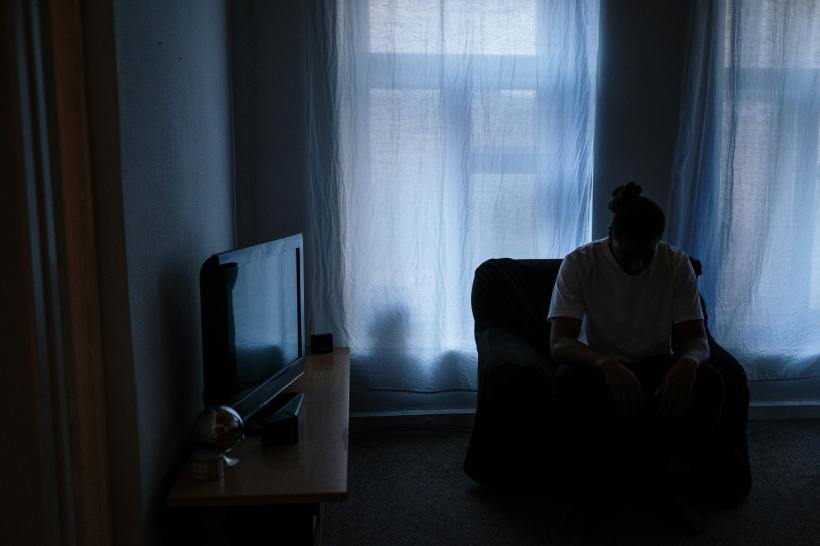
Men are dying in silence. Across the world, suicide is one of the leading killers of men and boys — not because they don’t feel pain, but because they’re taught to hide it. This post explores why men underreport depression, how stigma fuels quiet suffering, and what we can do to change it.
Category: Support
When work works against you: How our jobs shape our minds.
Work and mental health are inseparable. As a scientist living with depression, I’ve learned that discipline—not motivation—keeps me steady. Structure transforms chaos into calm, reminding me that routine isn’t restrictive but restorative. Our jobs shape our minds; the key is learning to work with, not against, ourselves.
Fear of the unknown.
We all crave control — but life rarely plays by our rules. "Fear of the Unknown" explores how anxiety about the uncontrollable can quietly dictate our choices, limit growth, and fuel self-doubt. Blending science, reflection, and personal experience, it offers strategies to unlearn fear and embrace uncertainty as a path toward purpose.
Do not let our insecurities define us.
Insecurity is universal — a quiet thread connecting us all. "Do Not Let Our Insecurities Define Us" gathers honest reflections from people of different ages and professions, revealing the shared weight of self-doubt. Through collective vulnerability, it reminds us that acknowledging our insecurities is not weakness, but the first step toward self-acceptance.
The Tale of the Academic Black Dog.
Behind every lecture and research paper lies a silent struggle. "The Tale of the Academic Black Dog" exposes the hidden mental health crisis among university academics — the overworked, underpaid, and often overlooked pillars of higher education. Through data, empathy, and reflection, it calls for change in a culture built on silence.
It is time to crucify the self critic.
Self-criticism can be relentless — a quiet voice that chips away at confidence, joy, and self-worth. But it’s not truth; it’s habit. Recognising when you’re too hard on yourself is the first step to breaking free. It’s time to silence that inner saboteur and start approving of yourself instead.
Don’t let the past dictate your future.
Your past may have shaped you, but it doesn’t have to define you. Whether childhood trauma or heartbreak in adulthood, healing begins when you challenge negative self-talk and reclaim your story. With reflection and self-compassion, you can step out of the darkness and build a future guided by strength, not pain.
Never Rush Into A Relationship.
After heartbreak, it’s tempting to fill the emptiness with someone new — but rushing into love rarely heals old wounds. True recovery takes time, reflection, and self-compassion. Learn to be comfortable alone first, because lasting love begins when you no longer need another person to complete you.
Where Words Leave Off, Music Begins.
In this post, I explore how music speaks when words fall silent. From its ability to unlock lost memories to its power to shape our emotions, music connects us in ways nothing else can. Whether healing heartbreak or brightening grey days, sometimes a song says everything we cannot.
Music is the strongest form of magic.
In this post, I explore the extraordinary power of music as both a sanctuary and a catalyst for emotional expression. Music can break us down, rebuild us, and guide us through grief, heartbreak, and joy. I share how curating playlists for both negative and positive emotions can help process feelings, transform mindset, and ultimately harness music’s magical ability to heal.