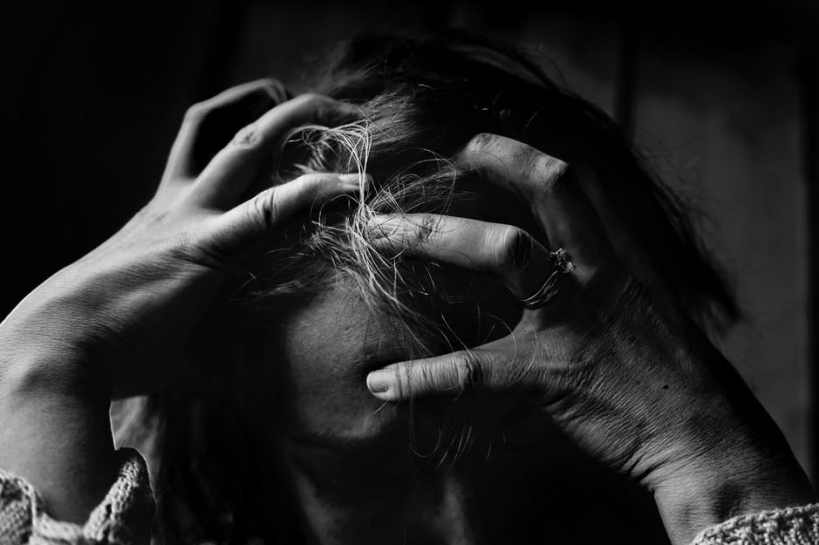
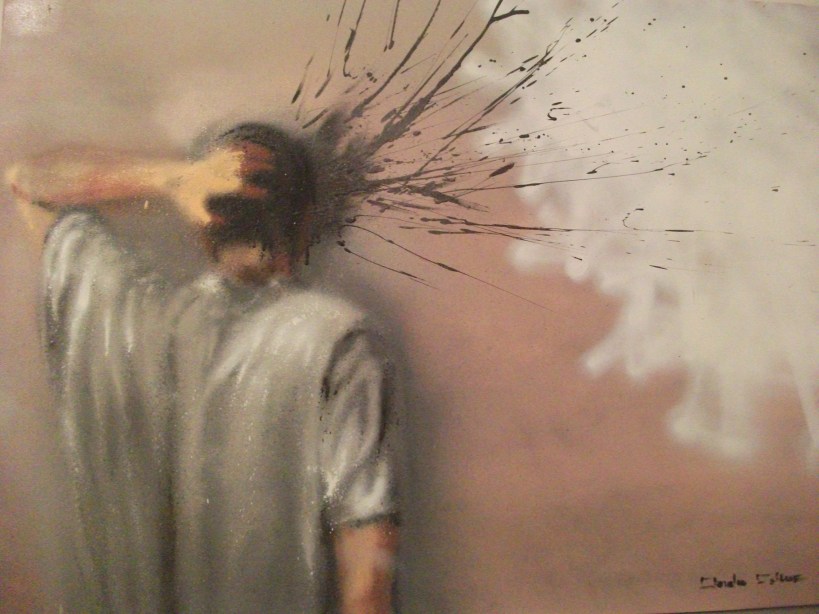
Grief is universal — but should it ever be considered a mental illness? "Is Grief a Mental Illness?" explores the debate surrounding Pathological Grief Disorder, questioning where natural mourning ends and clinical diagnosis begins. Blending science, empathy, and reflection, it challenges the medicalization of emotion while advocating compassion, counselling, and open conversation.
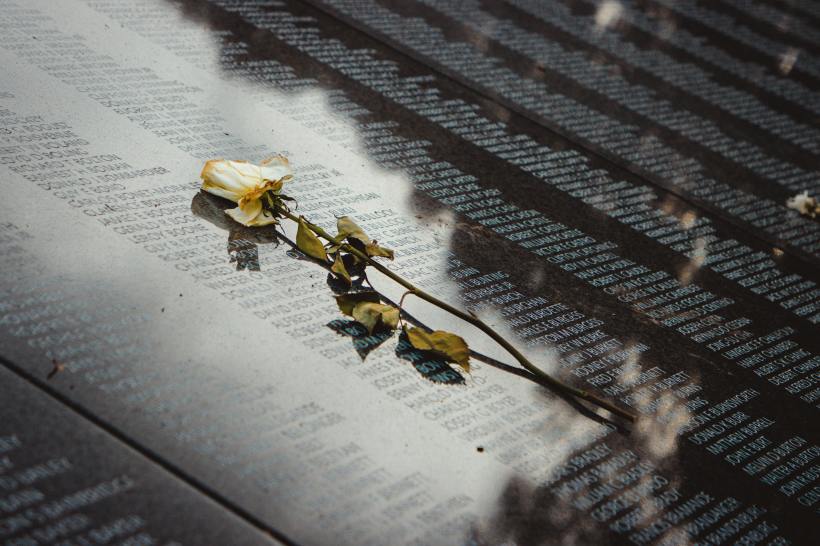
Category: Depression
Social anxiety and loneliness.
Social anxiety and loneliness are deeply intertwined — one fuels the other in a quiet, painful cycle. "Social Anxiety and Loneliness" explores how fear of judgment can isolate us, and how isolation, in turn, harms our minds and bodies. Blending science with empathy, it highlights why connection is vital for survival.
The Tale of the Academic Black Dog.
Behind every lecture and research paper lies a silent struggle. "The Tale of the Academic Black Dog" exposes the hidden mental health crisis among university academics — the overworked, underpaid, and often overlooked pillars of higher education. Through data, empathy, and reflection, it calls for change in a culture built on silence.
There is a heavy cost to getting a PhD that nobody talks about.
Behind the prestige of a doctorate lies a silent struggle. "There Is a Heavy Cost to Getting a PhD That Nobody Talks About" exposes the psychological toll of academic life — the isolation, perfectionism, and stigma that too often accompany it. Blending data and personal experience, it urges academia to confront its hidden mental health crisis.
Untreated depression: It will damage your brain.
Untreated depression doesn’t just hurt emotionally — it may physically damage the brain. Mounting research links chronic depression to inflammation and neurodegeneration, suggesting that neglecting mental health can literally change our biology. Depression isn’t “all in the mind”; it’s a disorder that can quietly erode the brain itself.
Never Rush Into A Relationship.
After heartbreak, it’s tempting to fill the emptiness with someone new — but rushing into love rarely heals old wounds. True recovery takes time, reflection, and self-compassion. Learn to be comfortable alone first, because lasting love begins when you no longer need another person to complete you.
Where Words Leave Off, Music Begins.
In this post, I explore how music speaks when words fall silent. From its ability to unlock lost memories to its power to shape our emotions, music connects us in ways nothing else can. Whether healing heartbreak or brightening grey days, sometimes a song says everything we cannot.
Self Injury, Self Harm.
In this post, I open up about the reality of self-harm — not as a cry for attention, but as a misunderstood coping mechanism for deep emotional pain. Drawing from my own experience, I explore why people hurt themselves, how stigma isolates them, and what real compassion and support can look like.
It’s time to stop pretending.
In this post, I open up about the quiet act of avoidance—the way we fill our lives with work, noise, and distraction to escape our own thoughts. It’s about confronting depression rather than running from it, learning to sit with sadness, and realising that healing begins the moment we stop pretending we’re fine.
We Are Not Alone.
Depression can feel isolating, but it is far from rare. In this first post, I explore the difficulty of speaking openly about mental health, especially in a world that still treats it as taboo. Through personal experience and reflection, I discuss how silence breeds shame, and how honesty—about our pain, our vulnerability, and our shared humanity—can be the first step toward healing.